Dreaming of spinning vinyl, but feel lost in a sea of turntables, preamps, and cartridges? You’re not alone! Many aspiring DJs and music lovers get overwhelmed when trying to pick their first record player. This guide cuts through the jargon, helping you choose the perfect entry-level turntable to kickstart your analog journey and enjoy the rich sound of vinyl without breaking the bank.
Understanding Turntable Types: Direct Drive vs. Belt Drive
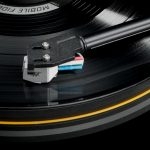
When selecting your first turntable, you’ll primarily encounter two types: direct drive and belt drive. Each has its own strengths. Belt-drive turntables, like the popular Audio-Technica AT-LP60X, use a rubber belt to connect the motor to the platter. This design helps isolate vibrations from the motor, often resulting in a slightly cleaner, more uncolored sound ideal for casual listening. They are generally simpler and more affordable. On the other hand, direct-drive turntables, such as the classic Technics SL-1200 series (though more professional), have the motor directly under the platter. This provides much stronger torque, meaning the platter starts and stops instantly and maintains very consistent speed. This makes them the preferred choice for DJs who need to scratch or cue up tracks precisely. For the beginner focused on listening, a belt-drive model is usually more than sufficient and offers excellent value.
Essential Features to Look For: Built-in Preamp & USB Output
Navigating the world of audio equipment can be confusing, especially when terms like “preamp” are thrown around. For a beginner, a built-in preamplifier is a *game-changer*. Many modern turntables, like the Audio-Technica AT-LP120XUSB, include a switchable phono preamp. This means you don’t need to buy a separate, expensive box to amplify the very weak signal from your turntable before it can connect to your stereo receiver or powered speakers. It simplifies your setup immensely, saving both money and hassle. Another highly practical feature to consider is a USB output. While the main joy of vinyl is the analog experience, a USB port allows you to connect your turntable directly to a computer to digitize your record collection. This is fantastic for preserving rare albums or taking your favorite tracks with you on the go. Imagine converting your grandfather’s old jazz records into digital files – a perfect blend of old and new!
Connectivity & Setup: Getting Your Music to Your Ears
So, you’ve chosen your turntable, now how do you actually *hear* anything? This is where connectivity comes in. Most entry-level turntables with a built-in preamp will connect directly to almost any audio system. You’ll typically use RCA cables (the red and white plugs) to connect the turntable’s “LINE OUT” to an available “AUX IN,” “CD IN,” or “LINE IN” input on your stereo receiver, mini-system, or powered speakers. If your turntable *doesn’t* have a built-in preamp, you’ll need an external phono preamp, which then connects to your receiver. Don’t forget the grounding wire – a small, thin wire usually attached to the turntable that connects to a “GND” (ground) terminal on your preamp or receiver. This helps eliminate an annoying hum. For example, if you have a pair of active (powered) bookshelf speakers like the Edifier R1280T, a turntable with a built-in preamp can plug directly in using standard RCA cables, making for a super simple, clean setup that sounds surprisingly good for its price point. It’s all about matching your turntable’s output to your playback system’s input.