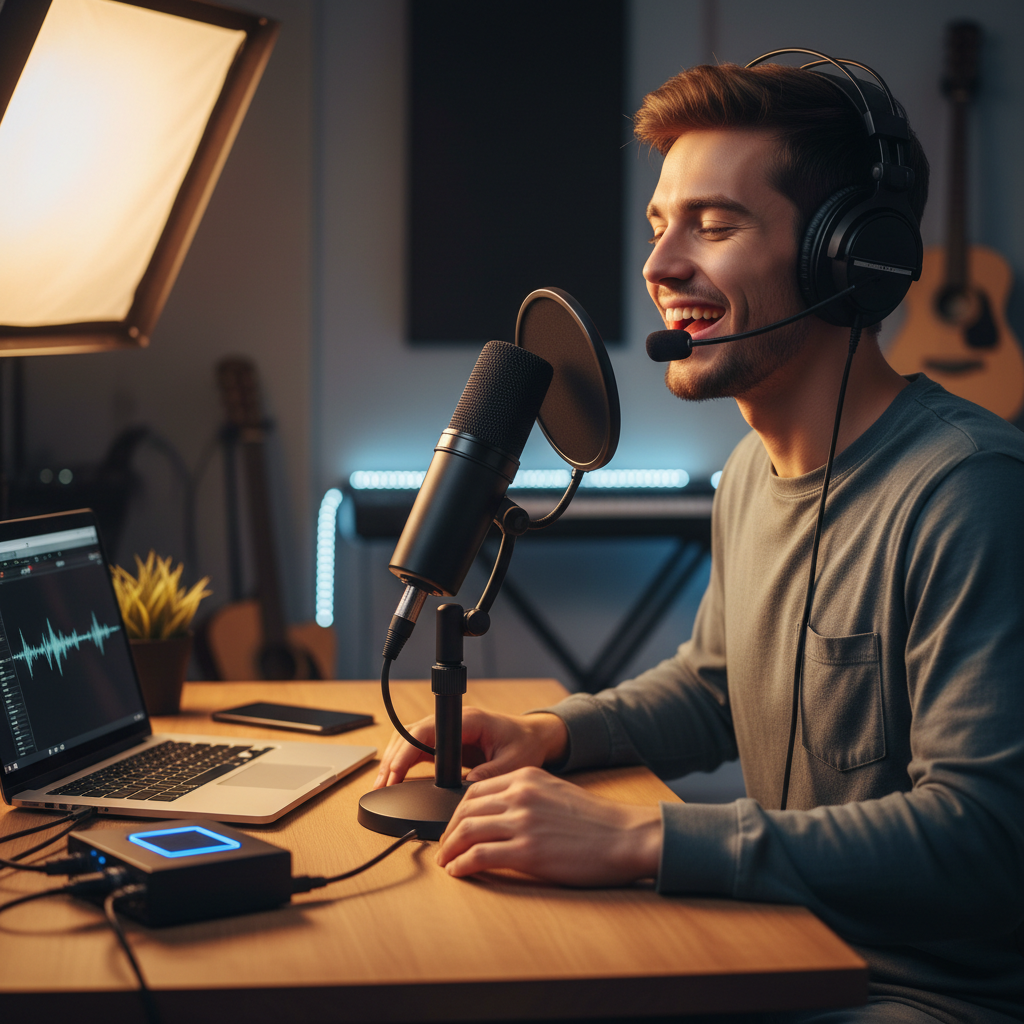
So, you’ve decided to dip your toes into the exciting world of podcasting, streaming, or even just recording some voice notes? Fantastic! But now you’re faced with a dizzying array of microphones, and the technical jargon can feel overwhelming. Don’t worry, you’re not alone. This guide is specifically designed for beginners and hobbyists looking to find the *perfect* USB microphone that will make your voice shine without breaking the bank or requiring an engineering degree. Forget XLR cables and audio interfaces for now – we’re keeping it simple and effective.
Why USB Microphones are Your Best Friend
For a beginner, USB microphones are a game-changer. Why? Because they offer ultimate simplicity. Unlike traditional microphones that require additional gear like an audio interface to connect to your computer, USB mics plug directly into a USB port on your laptop or desktop. This means fewer cables, fewer settings to adjust, and a much faster setup time. Think of it like connecting a computer mouse – plug it in, and you’re good to go. This “plug-and-play” convenience is ideal for getting started quickly and focusing on what matters: your content.
Key Features to Look For (Without Getting Technical)
When browsing for your first USB microphone, don’t get bogged down in specs you don’t understand. Instead, focus on these three important features that directly impact your experience and sound quality:
1. Sound Quality: Crystal Clear or Muffled?
This is arguably the most important aspect. You want a microphone that captures your voice clearly and naturally, without sounding tinny or muffled. While fancy specifications exist, the best way to gauge sound quality for a beginner is to listen to reviews and demos. Many manufacturers and reviewers upload audio samples recorded with the microphone. Search YouTube for “[microphone model] sound test” and listen carefully. Does the voice sound rich and full, or thin and distant? For example, the Blue Yeti is often praised for its “studio-quality” sound at an accessible price, making it a popular choice for aspiring podcasters because it captures a wide range of vocal tones beautifully. Look for microphones that are “condenser” type, as these generally offer a more detailed and brighter sound compared to “dynamic” mics, which are often used for loud instruments or live performances.
2. Connectivity & Ease of Use: Plug-and-Play Power
As mentioned, the beauty of USB mics is their simplicity. Ensure the microphone you choose truly offers plug-and-play functionality. Read user reviews to confirm that it’s recognized instantly by common operating systems like Windows and macOS without needing special drivers. A great example of simple connectivity is the Rode NT-USB Mini. It’s incredibly straightforward to set up, perfect for those who want to spend less time troubleshooting and more time creating. Also, consider if it includes a built-in headphone jack. This allows you to monitor your voice in real-time, which is incredibly useful for adjusting your speaking volume and ensuring you sound good. This feature, often called “zero-latency monitoring,” prevents a distracting delay in hearing your own voice.
3. Durability and Build Quality: A Mic That Lasts
While you might not be touring the world with your first microphone, you still want something that feels sturdy and will last. Many affordable USB microphones come with plastic stands or cases that can feel flimsy. Look for microphones with metal construction or a robust, weighted desk stand. This prevents accidental knocks and ensures the microphone stays put during recording. For instance, the Audio-Technica AT2020USB+ is known for its solid metal construction, providing a sense of reliability. A durable build means you won’t have to worry about replacing it prematurely due to normal wear and tear, allowing you to focus on developing your skills.
Actionable Tip: Start Simple, Then Grow
Don’t fall into the trap of thinking you need the most expensive gear right away. Start with a solid, beginner-friendly USB microphone, and once you’ve gained experience and understand your specific needs better, you can always upgrade. Many popular models like the Blue Yeti, Rode NT-USB Mini, or Audio-Technica AT2020USB+ are excellent starting points that offer fantastic value and performance for their price. Focus on practicing your vocal delivery, improving your content, and learning basic audio editing. With a good USB microphone, you’re well on your way to sounding professional and making your voice heard!